
JEE Main gives you roughly 200 seconds per question. Most aspirants don't lose marks because they don't know the concept — they lose them because they spent six minutes stuck on question 12 and rushed through the last ten.
Practice against a clock, not just for correctness
When you solve practice sets, time yourself per question, not just per set. If a Physics numerical is taking you past three minutes, that's a signal to move on and return later — a habit you can only build by practicing under real time pressure, not in a relaxed, untimed session.
Build a subject rotation that matches the paper
JEE Main splits marks nearly evenly across Physics, Chemistry and Maths, but most students have one subject that eats disproportionate prep time. Track your hours honestly for a week — you'll usually find one subject getting 50% of your time for 33% of the marks.
- Maths: Speed comes from formula recall, not re-deriving each time. Keep a single formula sheet and revise it daily.
- Physics: Numericals reward pattern recognition — solve previous 10 years' papers chapter-wise before moving to random practice sets.
- Chemistry: The highest scoring-per-minute subject if NCERT is solid — don't neglect it for "harder" subjects.
Simulate the real exam environment
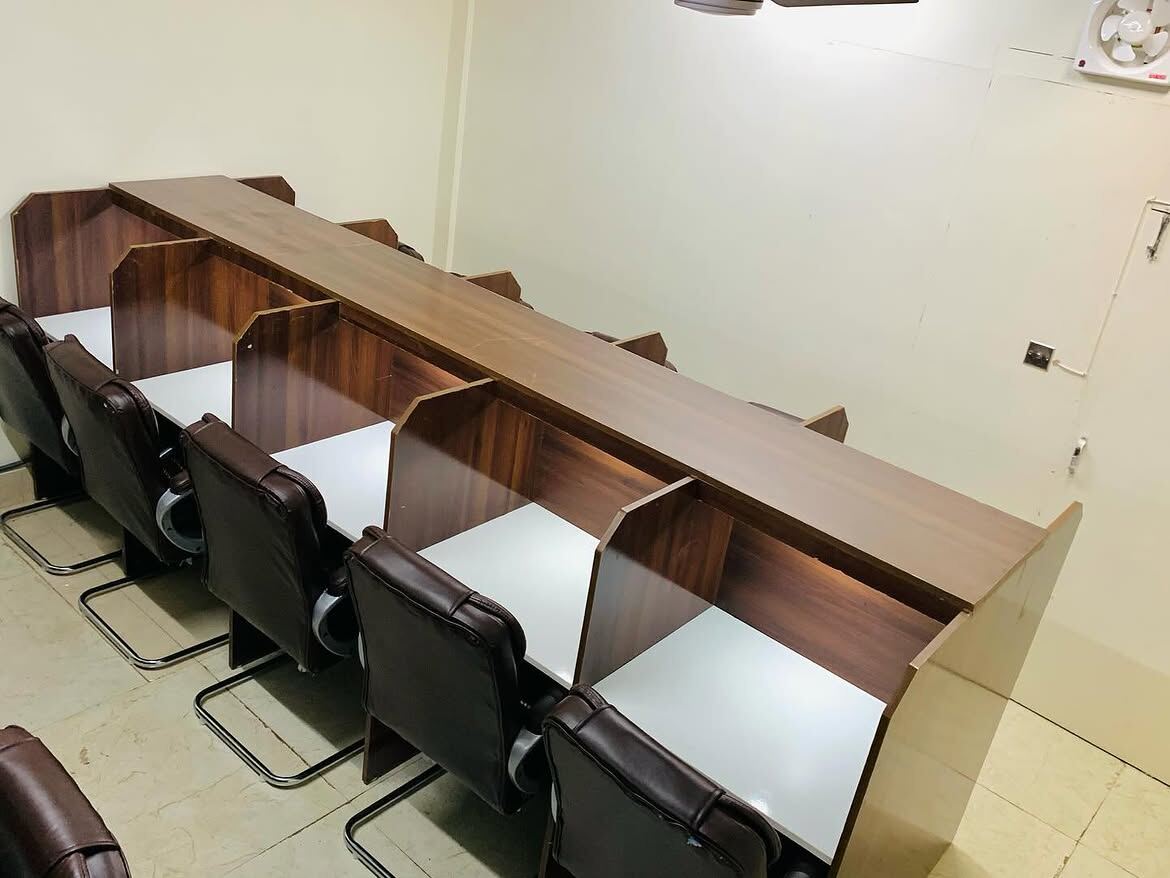
A quiet, distraction-free block of exactly three hours, once a week, in the same kind of seat you'll actually test in, trains your stamina for exam day far better than the same three hours spread across a noisy afternoon at home.