Most exam anxiety isn't really about the subject — it's about uncertainty. Students who know their material cold still blank out because the exam hall itself feels unfamiliar and high-stakes in a way their preparation never simulated.
Simulate the real conditions, not just the syllabus
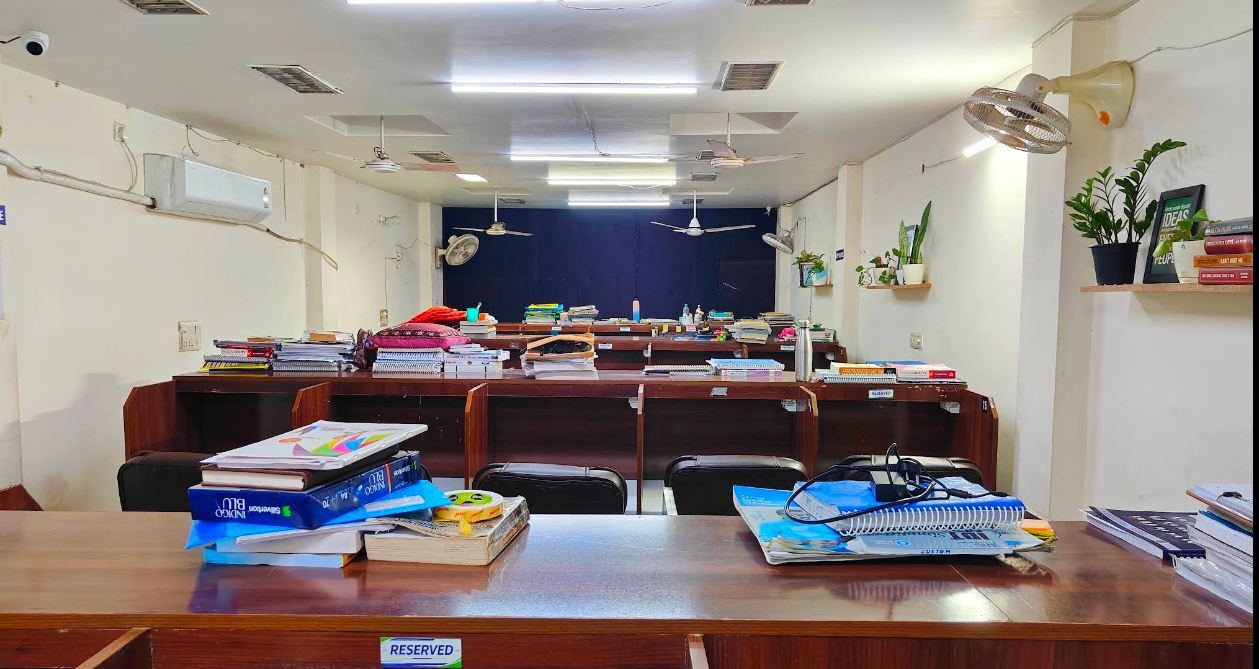
Doing a mock test in your bedroom with your phone nearby is not the same as three hours in a silent hall with a strict timer. The closer your practice conditions match exam-day conditions — timed, no distractions, no pausing — the less unfamiliar the real thing feels.
Build a pre-exam routine you actually trust
A short, repeatable routine — the same breakfast, the same last-minute revision format, arriving with the same time buffer — gives your mind something familiar to anchor to when everything else about exam day is new.
- 2 weeks out: Shift at least one weekly mock to the exact exam start time, not whenever is convenient.
- Night before: Light revision only — skimming summary sheets, not attempting new problems.
- During the exam: Read the full paper once before answering anything, so no surprise question derails your pacing mid-way.
Anxiety rarely disappears completely, and it doesn't need to — the goal is making the exam hall feel like just another timed mock you've already done a dozen times before.